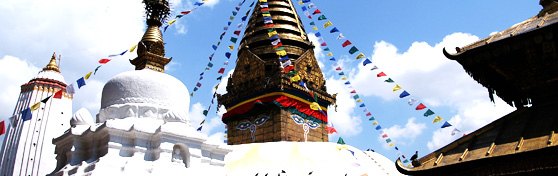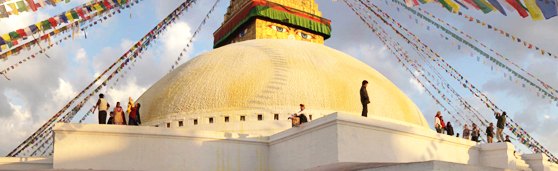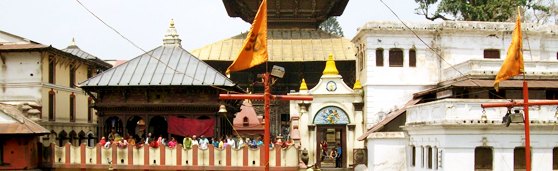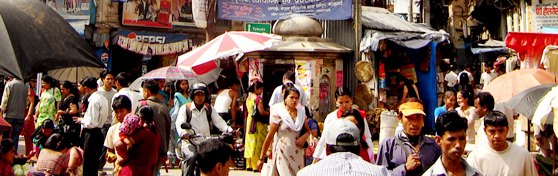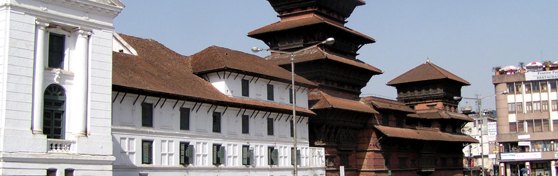
Durbar means palace. Kathmandu, Patan and Bhaktapur each have their own palace square, and visiting all three is the best introduction to the origins of Nepali culture.
Temples, pagodas, statues, palace courtyards and sacred spots follow one another here, and time seems to have stopped. Worshippers still perform the same rites in the same settings their grandparents knew.
We like to come in the morning, before the daily bustle, when incense, temple bells and food offerings to the gods set the mood, and the light is best for photographs.
We'll show you the house of the Kumari, the living goddess; Kasthamandap, rebuilt after the 2015 earthquake; the Shiva-Parvati and Jagannath temples; the great bell; and the courtyards of Hanuman Dhoka palace, including Mohan Chowk, Basantapur and Nasal Chowk. The square is on the UNESCO World Heritage List and fills with crowds during Indra Jatra, Dashain and Gai Jatra.