Kathmandu
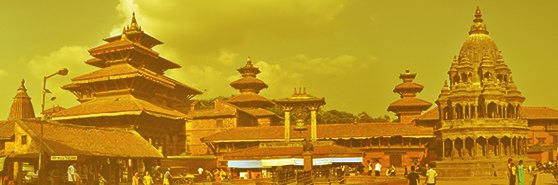
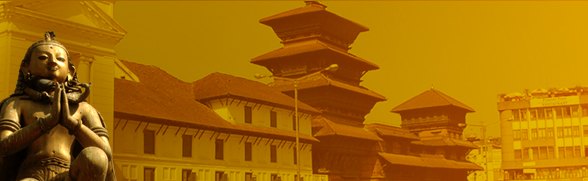
The city takes its name from Kasthamandap, the great wooden pavilion on Durbar Square. Built by Newar craftsmen, its old quarters are full of temples, shrines and carved windows on every corner.
The Kathmandu Valley holds three former royal cities, Kathmandu, Patan and Bhaktapur, and the hill town of Kirtipur. Beyond the valley rim we travel to Pokhara, Chitwan and Lumbini.
The city takes its name from Kasthamandap, the great wooden pavilion on Durbar Square. Built by Newar craftsmen, its old quarters are full of temples, shrines and carved windows on every corner.
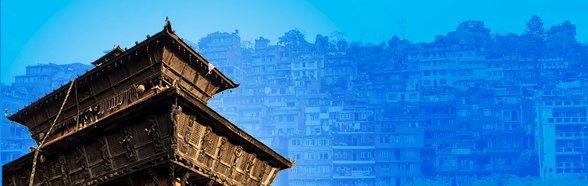
About five kilometres south of Kathmandu, across the sacred Bagmati River, lies Patan, also known as Lalitpur. This ancient Newar capital produced many of Nepal's finest works of art and its most renowned craftsmen.
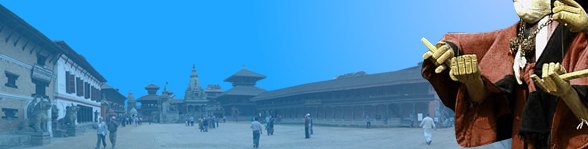
Bhaktapur, the third royal city of the valley, lies about fifteen kilometres east of Kathmandu. Its name means city of devotees, and religious life is everywhere.
Kirtipur is a Newar town built on a ridge between two hills south-west of Kathmandu, with a fine view of the capital and the Himalaya behind it.
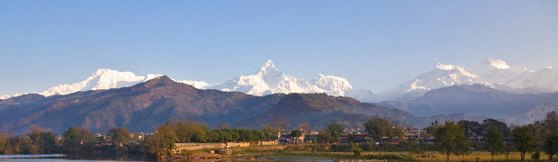
Set in a majestic ring of mountains, with snowy peaks reflected in its lake, Pokhara stretches calmly along the shore. It has one of the finest panoramas in the country.
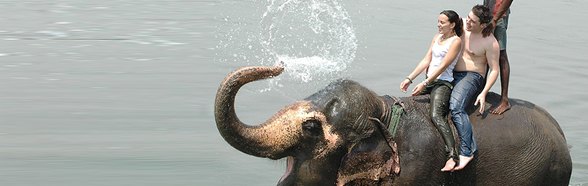
Nepal's first national park protects nearly 950 square kilometres of forest, marshes and tall grassland in the lowland Terai. It is on the UNESCO World Heritage List.
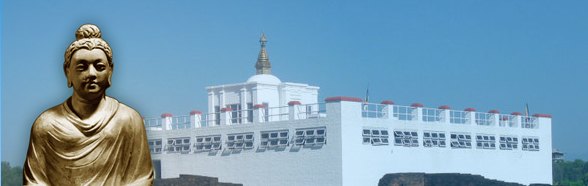
Nepal is one of the few countries where Hinduism and Buddhism live side by side in peace. But if one place in the country is Buddhist above all others, it is Lumbini, where Siddhartha Gautama, the Buddha, was born in the sixth century BCE.